Honey has been part of food traditions for centuries, valued for its naturally sweet taste, distinctive aroma, and versatility. In Nigeria, honey is produced across different regions and landscapes, where bees gather nectar from a wide variety of flowering plants.
Nigerian natural honey is particularly interesting because its flavour, colour, aroma, and consistency can vary depending on where the bees forage, the plants in bloom, and how the honey is harvested and handled.
From adding sweetness to breakfast and drinks to using it in cooking, baking, and traditional food preparations, natural honey can be a remarkably versatile ingredient. But with so many honey products available, understanding what makes natural honey different and how to identify and store quality honey is important.
What Is Nigerian Natural Honey?
Nigerian natural honey is honey produced by bees from nectar collected from flowering plants in Nigeria.
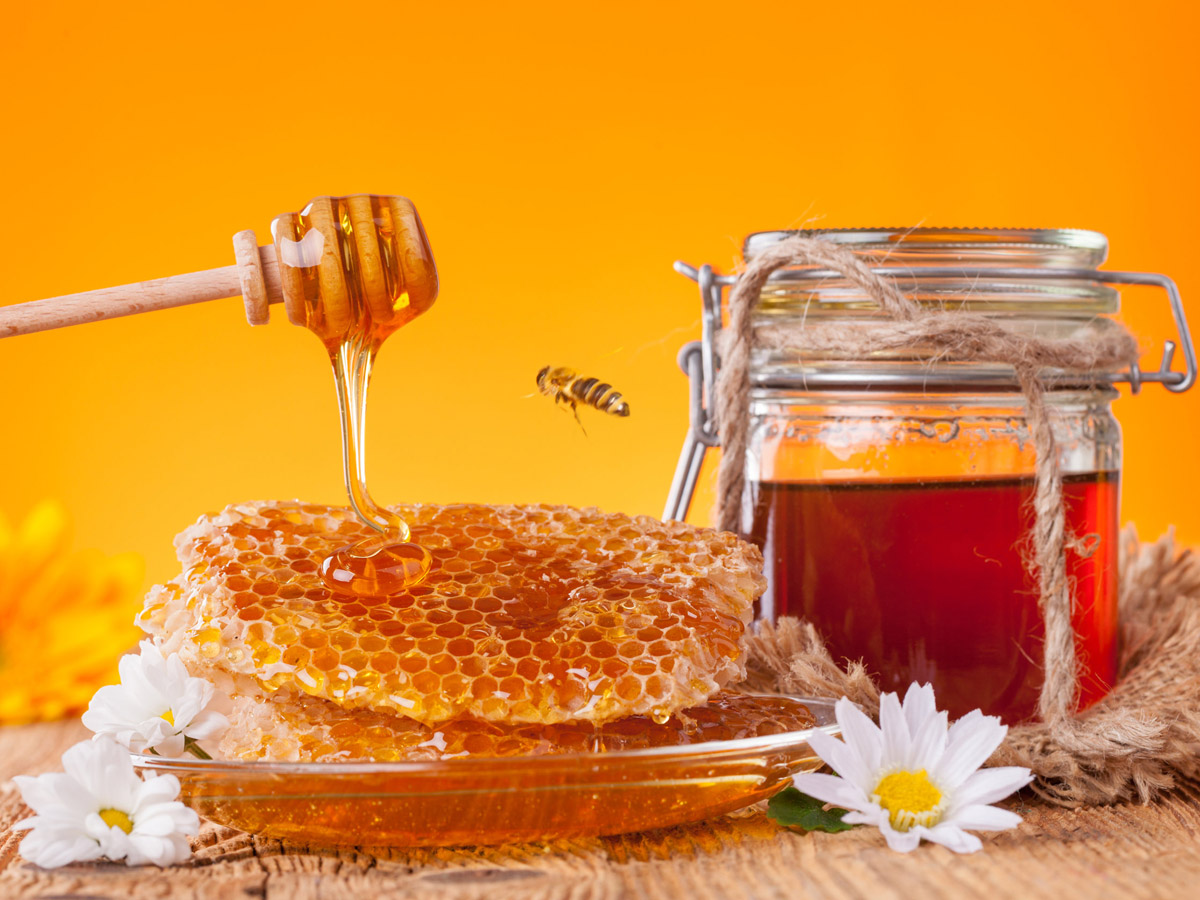
Honeybees collect nectar from flowers and carry it back to their hives, where it undergoes natural processes that transform the nectar into honey. The bees then store the honey in honeycomb cells, where it gradually develops its characteristic sweetness, aroma, and consistency.
The term natural honey generally refers to honey that has not been artificially manufactured or formulated as a sweetened syrup.
However, natural honey can still differ significantly from one product to another. Honey may vary in colour, flavour, aroma, thickness, and crystallization depending on its floral source, geographical origin, maturity, and processing.
This is one of the things that makes honey fascinating: two jars of genuine honey do not necessarily have to look or taste exactly alike.
Where Does Nigerian Honey Come From?
Honey production takes place in different parts of Nigeria.
Nigeria has diverse vegetation and agricultural environments, which provide bees with access to different flowering plants throughout the year. As bees forage from different plants, the resulting honey can develop different characteristics.
Honey from one region may have a lighter colour and delicate floral notes, while honey from another area may be darker, richer, or more strongly aromatic.
The surrounding environment therefore plays an important role in the character of Nigerian honey.
For consumers, this means that “Nigerian honey” does not describe one uniform flavour. Instead, it represents honey produced within a country with considerable botanical diversity.
How Is Natural Honey Made?
Honey production begins with bees—not with a factory mixing ingredients.
Bees Collect Nectar
Worker bees visit flowering plants and collect nectar from flowers.
The nectar is stored temporarily and transported back to the hive.
Nectar Is Transformed
Inside the hive, bees process the nectar and gradually reduce its water content. Enzymatic activity and evaporation help transform the thin floral nectar into the thicker substance we recognize as honey.
Honey Is Stored in the Hive
The bees place the developing honey into honeycomb cells.
Once the honey reaches an appropriate stage of maturity, the bees seal the cells with beeswax.
Beekeepers Harvest the Honey
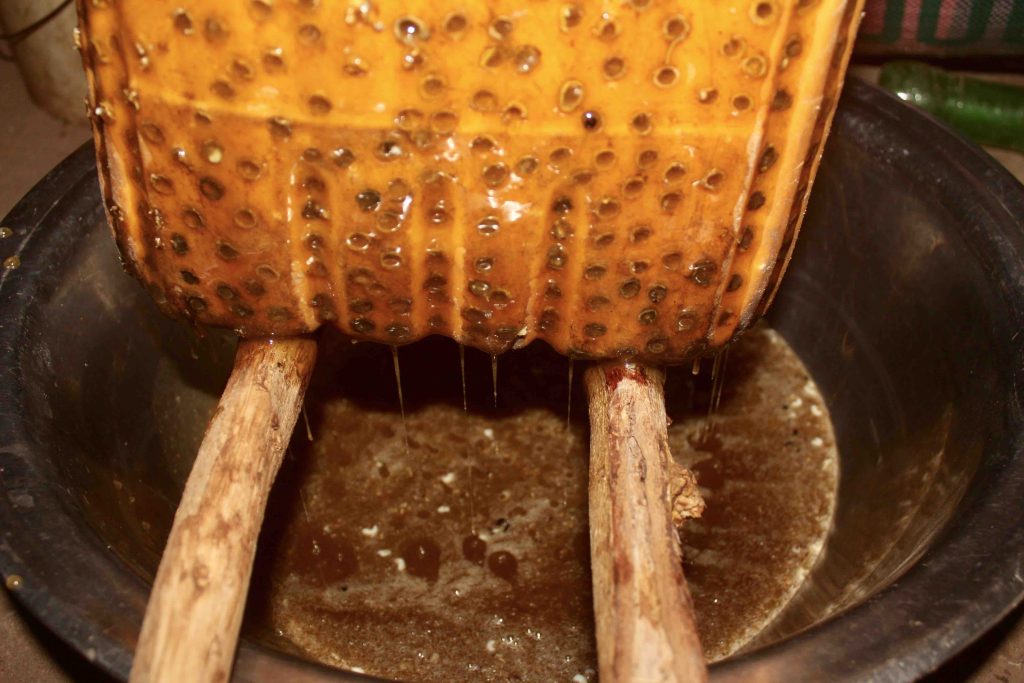
Beekeepers can then carefully remove honey-filled frames from the hive and extract the honey.
Depending on the producer, honey may undergo filtering or straining to remove pieces of wax and other larger particles before it is packaged.
The methods used after harvesting can influence the final appearance and texture of the honey.
Why Does Nigerian Honey Have Different Colours?
If you compare different jars of natural honey, you may notice that some are almost golden and translucent while others are much darker.
This is completely normal.
Honey colour is influenced by the floral sources from which bees collect nectar. Different plants contain different compounds that contribute to the colour and flavour of the resulting honey.
Environmental conditions, storage, and age can also influence appearance.
Therefore, darker honey is not automatically better, and lighter honey is not automatically purer.
Colour alone should never be used as the only measure of honey quality.
What Does Natural Nigerian Honey Taste Like?
There is no single taste that applies to all Nigerian natural honey.
The flavour can range from delicate and floral to rich, deep, and intense.
Some honey may have subtle botanical notes, while others can have a stronger caramel-like or earthy character.
The floral environment surrounding the hive has a major influence on these differences.
This is one reason honey can be interesting to explore much like other naturally derived foods. The source matters.
Is Natural Honey Supposed to Crystallize?
Yes.
Many people assume that honey becoming cloudy or developing crystals means it has gone bad. In reality, natural honey can crystallize naturally.
Crystallization occurs when some of the sugars in honey form crystals. The speed and extent of crystallization depend on factors such as the honey’s composition, temperature, and floral source.
Some varieties crystallize quickly, while others remain liquid for much longer.
Crystallized honey is generally still honey. If you prefer a liquid consistency, the container can be gently warmed in a controlled manner.
Avoid excessive heat, particularly if preserving the honey’s natural qualities is important to you.
How Can You Use Nigerian Natural Honey?
One of the biggest advantages of honey is its versatility.
Honey in Breakfast
Honey can be drizzled over:
- Toast
- Oatmeal
- Pancakes
- Waffles
- Yogurt
- Fresh fruit
Its natural sweetness can add flavour without requiring complicated preparation.
Honey in Drinks
Honey can be used to sweeten drinks such as tea, warm water, smoothies, and homemade beverages.
Because honey has its own flavour, it can contribute more than sweetness—it can add depth and aroma to a drink.
Honey in Cooking
Honey can be used in marinades, sauces, dressings, glazes, and other recipes.
Its sweetness works particularly well in dishes that combine sweet, savoury, spicy, or acidic flavours.
Honey in Baking
Honey can also be incorporated into baked goods.
It can contribute sweetness, moisture, colour, and flavour, depending on the recipe.
However, because honey behaves differently from granulated sugar, recipes may need adjustments when substituting one for the other.
What Makes Natural Honey Different From Honey-Flavoured Syrups?
This distinction is important when shopping for honey.
Not every sweet, golden liquid sold in a bottle is necessarily pure honey.
Honey-flavoured syrups and other sweeteners may contain ingredients such as sugar syrups or flavouring agents, while genuine honey is produced by bees from collected floral nectar.
Reading the product label is therefore important.
Look for clear ingredient information and buy from producers and sellers who provide transparent information about the product’s source and handling.
It is also worth remembering that many popular internet “home tests” for honey purity are unreliable. Tests involving water, matches, thumbs, or bread cannot reliably establish whether honey has been adulterated.
Laboratory analysis is the dependable way to determine the detailed composition and authenticity of honey.
How to Choose Quality Nigerian Natural Honey
When buying natural honey, consider more than appearance.
Check the Ingredients
For a product marketed as pure honey, the ingredient information should be clear and straightforward.
Consider the Source
A reputable producer should be able to provide information about where the honey comes from or how it is sourced.
Look at the Packaging
Good packaging helps protect honey from contamination and unwanted exposure during storage and transportation.
Pay Attention to Aroma and Taste
Natural honey should have a characteristic aroma and flavour rather than tasting simply like generic sugar syrup.
Don’t Judge Honey by Colour Alone
Light and dark honey can both be genuine and high quality. Colour depends heavily on the floral source.
How Should Natural Honey Be Stored?
Honey is relatively easy to store.
Keep it in a tightly closed container at room temperature, away from excessive heat and direct sunlight.
There is generally no need to refrigerate honey. Cold temperatures can cause it to become thicker and may encourage crystallization.
Always use clean utensils when taking honey from the jar to avoid introducing food particles or moisture.
If crystallization occurs, gently warming the container can return the honey to a more fluid consistency.
Honey and Nigerian Food Culture
Honey has a place in many Nigerian households, whether it is purchased directly from local beekeepers, obtained from markets, or bought as a packaged food product.
For some consumers, honey is primarily a natural sweetener. For others, it is associated with traditional food practices, homemade drinks, breakfast, baking, or family recipes.
The growing interest in naturally sourced foods has also increased appreciation for locally produced honey.
Nigerian honey has the potential to showcase the country’s agricultural and ecological diversity while supporting beekeepers and other participants in the local honey supply chain.
Natural Honey Is a Product of Its Environment
One of the most interesting things about Nigerian natural honey is that it reflects the environment in which it was produced.
Bees do not produce exactly the same honey everywhere. The plants available to them influence the nectar they collect, which in turn affects the final product.
This means the character of honey can tell part of a story about its surroundings.
A jar of honey is therefore more than simply a sweetener. It is the result of bees, flowering plants, seasons, climate, beekeeping practices, harvesting, and careful handling coming together.
Frequently Asked Questions About Nigerian Natural Honey
Is Nigerian natural honey real honey?
Nigerian natural honey can be genuine honey produced by bees from floral nectar collected in Nigeria. However, as with honey from any country, consumers should consider the source, labeling, processing, and reputation of the producer.
Why does Nigerian honey vary in colour?
Honey colour is influenced primarily by its floral source, although other factors such as age and storage can also affect appearance. Different Nigerian honeys can therefore range from light golden to darker shades.
Does natural honey crystallize?
Yes. Crystallization is a natural process that can occur in genuine honey. It does not automatically mean the honey has spoiled.
Should honey be refrigerated?
Generally, no. Honey is usually best stored tightly sealed at room temperature in a cool, dry place away from direct sunlight.
Can Nigerian natural honey be used for cooking?
Yes. Honey can be used in cooking, baking, marinades, sauces, dressings, breakfast foods, and drinks.
How can I tell if honey is pure?
There is no reliable household test that can definitively establish honey purity. Water, flame, thumb, and other viral “purity tests” are not dependable. For meaningful verification, laboratory analysis is the appropriate method.
Can children have honey?
Honey should not be given to babies under 12 months of age because of the risk of infant botulism. Older children can generally consume honey, subject to their individual dietary needs.
The Appeal of Nigerian Natural Honey
Nigerian natural honey combines simplicity with remarkable variety.
It begins with bees collecting nectar from flowers and ends with a food that can be enjoyed in breakfast dishes, drinks, desserts, baked goods, sauces, and countless everyday recipes.
Its colour can vary. Its aroma can vary. Its flavour can vary. Even its texture can change over time through natural crystallization.
Those differences are part of what makes genuine honey so interesting.
For anyone looking for a naturally produced sweetener with a distinctive connection to Nigeria’s diverse environment, Nigerian natural honey offers both versatility and character.
Whether enjoyed by the spoonful, drizzled over breakfast, stirred into a favourite drink, or used as an ingredient in a recipe, good-quality honey has a simple way of making everyday food feel a little more special.