There is garri, and then there is Ijebu Garri.
For anyone familiar with Nigerian foods, the difference can be surprisingly easy to notice. The moment you taste properly made Ijebu Garri, its distinctive tangy flavour and crisp texture immediately set it apart. It has a character that makes people who enjoy it seek it out specifically, whether they are buying it for soaking, keeping in the pantry, or serving with traditional meals.
But what actually gives Ijebu Garri its unique taste?
The answer is not one single ingredient. Its character comes from a combination of cassava, fermentation, processing, roasting, and traditional food knowledge developed around garri production.
In this article, we take a closer look at what makes Ijebu Garri different, how its distinctive flavour develops, and why this traditional Nigerian staple continues to have such a loyal following.
What Makes Ijebu Garri Unique?
Garri is produced in many parts of Nigeria, and different varieties can have noticeable differences in colour, grain size, texture, aroma, and taste.
Ijebu Garri is particularly known for its sour or tangy flavour.
That flavour is often the first thing people notice. Rather than having a mild or neutral taste, Ijebu Garri has a pronounced fermented character that makes it especially enjoyable for people who like a sharper taste.
Its texture is another important feature. Properly processed garri should be dry and crisp, making it suitable for soaking or eating as a crunchy snack.
The combination of tanginess and crunch is what gives Ijebu Garri much of its identity.
The Cassava Behind the Garri
Every serving of Ijebu Garri begins with cassava.
Cassava is one of the most important root crops used in Nigerian food production. It is remarkably versatile and can be transformed into a variety of foods and ingredients.
For garri production, fresh cassava roots are harvested and taken through several stages of processing. The goal is to transform the raw root into a dry, stable product that can be stored and prepared in different ways.
The quality of the cassava matters because the characteristics of the raw material can influence the final product.
Fresh, properly handled cassava provides the foundation for good garri, but the processing stages that follow are equally important.
Fermentation: The Key to Ijebu Garri’s Character
If there is one stage of garri production that deserves particular attention, it is fermentation.
After cassava is grated, the resulting pulp is allowed to ferment. During fermentation, naturally occurring microorganisms act on the cassava and change its characteristics.
This process contributes to the flavour and aroma that develop in the finished garri.
For Ijebu Garri, fermentation is particularly important because its characteristic tanginess is closely associated with the fermented nature of the product.
The exact flavour can vary depending on processing conditions, including the duration of fermentation. This is one reason why two batches of garri can taste noticeably different even when they are made from the same basic ingredient.
Why Does Fermentation Make Garri Sour?
Fermentation naturally produces changes in the food’s chemical composition.
As microorganisms act on the cassava, organic acids are produced. These acids contribute to the characteristic sourness associated with fermented cassava products.
This does not mean that every fermented cassava product tastes exactly the same. Different processing methods and fermentation conditions can produce different flavour profiles.
In the case of Ijebu Garri, that distinctive sharpness has become an important part of what consumers expect from the product.
For many people, a good bowl of soaked Ijebu Garri simply would not be the same without that familiar tang.
From Cassava Pulp to Garri
Once fermentation is complete, the cassava pulp goes through additional stages before it becomes the dry flakes found in a typical bag of garri.
Pressing
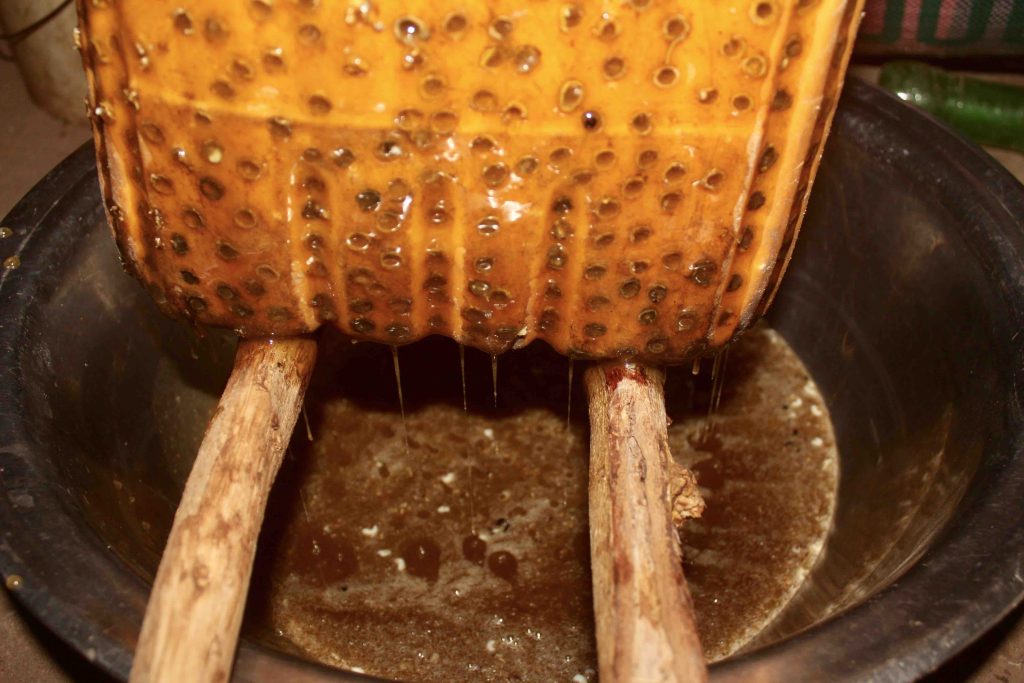
The fermented pulp contains considerable moisture, so it needs to be pressed.
Pressing removes excess liquid and helps prepare the cassava for sieving and roasting.
Sieving
The pressed cassava is broken down and sieved.
This helps create more uniform granules and removes larger pieces or unwanted lumps.
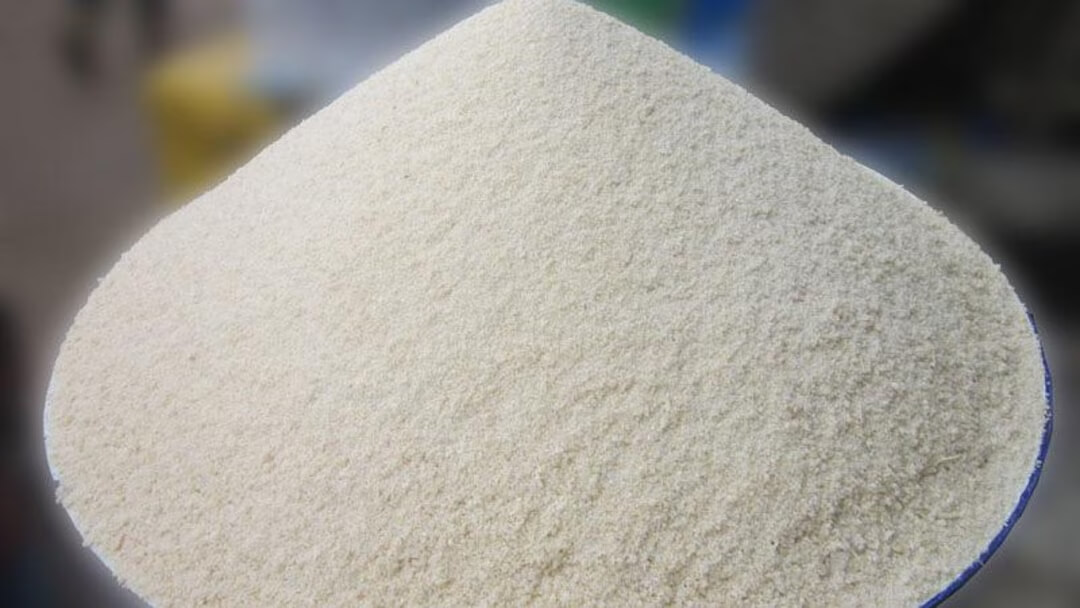
The resulting granules are what will eventually become the familiar crisp flakes of garri.
Roasting
The sieved cassava granules are roasted or fried.
This is another critical stage because it removes moisture and develops the characteristic dry texture of garri.
Roasting also contributes to the aroma and flavour of the finished product.
Too little roasting can leave the product with excess moisture, while excessive heat can negatively affect the flavour, texture, or appearance.
Producing good garri therefore requires more than simply heating cassava. It requires experience and careful attention to the process.
Why Texture Matters
Taste may be the first thing you notice about Ijebu Garri, but texture is equally important.
Good garri should have a dry, crisp quality.
When eaten dry, this creates the familiar crunch that many people enjoy. When soaked, the granules absorb water and soften while still retaining some of their character.
The grain size also affects the experience.
Finer granules can produce a different mouthfeel from larger, coarser ones. This is why consumers often develop preferences for particular types of garri.
For Ijebu Garri lovers, the ideal product is not simply sour. It should also have the right level of dryness, crispness, and consistency.
Ijebu Garri as a Soaked Snack
Perhaps the most recognizable way to enjoy Ijebu Garri is to soak it.
The preparation is remarkably simple.
Place the desired quantity of garri in a bowl, add cold water, and allow it to absorb the water. From there, the preparation can be customized according to personal taste.
Some people keep it simple with just water and sugar. Others add milk, groundnuts, coconut, or ice.
A Classic Combination: Garri and Groundnuts
Garri and groundnuts are one of those combinations that require very little explanation for anyone familiar with Nigerian food culture.
The crunchy roasted peanuts complement the crispness of dry garri and add another layer of flavour.
When combined with soaked garri, groundnuts provide a satisfying contrast between the softened cassava flakes and the crunch of the peanuts.
Garri, Milk and Sugar
For a richer version, milk and sugar can be added.
The milk softens the sharpness of the garri while creating a creamier taste. Sugar adds sweetness, producing a combination of sweet, creamy, and tangy flavours.
Adding ice can make the preparation particularly refreshing on a hot day.
Ijebu Garri Beyond Soaking
Although soaked garri is perhaps its most famous preparation, Ijebu Garri can be used in other ways.
Garri is also commonly prepared with hot water to make a swallow that can be served with soup.
Depending on individual preference and the particular garri available, it can accompany traditional Nigerian soups and sauces.
This versatility is part of the reason garri has remained such an important pantry staple.
One product can serve multiple purposes, making it useful for households with different tastes and meal preferences.
The Cultural Appeal of Ijebu Garri
Food is rarely just about eating.
Traditional foods often carry memories, regional identity, family habits, and shared experiences.
Ijebu Garri is closely associated with the food culture of the Ijebu people, but its appeal extends far beyond the region.
People who grew up eating it may associate the taste with childhood, family homes, school days, quick meals, or visits to relatives.
For Nigerians living outside the country, foods such as Ijebu Garri can also provide a familiar connection to home.
That cultural familiarity helps explain why demand for traditional Nigerian staples continues even as food preferences and lifestyles change.
How to Recognize Good Ijebu Garri
If you are specifically looking for Ijebu Garri, there are several qualities worth paying attention to.
A Noticeable Tangy Taste
The characteristic sourness should be present, although the intensity can vary.
A Clean Appearance
The garri should look clean and properly processed, without obvious contaminants or unusual materials.
A Dry, Crisp Texture
Good garri should not feel damp or excessively clumped.
A Pleasant Aroma
A properly processed product should have a characteristic roasted and fermented aroma. An unpleasant musty smell can indicate poor storage or deterioration.
Proper Packaging
Good packaging protects garri from moisture, insects, dust, and other contaminants.
A product may be well processed, but poor storage or packaging can compromise its quality.
How to Keep Ijebu Garri Fresh
Once you have purchased good-quality garri, storage becomes important.
Garri should be kept in a cool, dry environment and protected from moisture.
An airtight container is ideal after opening a package.
Always use a dry spoon or scoop when handling the product. Introducing moisture into stored garri can affect its crispness and may reduce its shelf life.
If you purchase a large quantity, dividing it into smaller airtight containers can also make it easier to manage while reducing repeated exposure to air and humidity.
Why Ijebu Garri Remains Popular
Modern lifestyles have changed the way many people eat, but convenience remains important.
Ijebu Garri fits naturally into this reality.
It can be prepared in minutes. It requires relatively little equipment. It can be stored in the pantry. And it can be enjoyed in several different ways.
But convenience alone does not explain its popularity.
People return to Ijebu Garri because of its distinctive taste.
Food preferences are personal, and some people prefer sweeter or milder varieties of garri. Others specifically look for that unmistakable sourness associated with Ijebu Garri.
That preference has helped preserve the product’s identity across generations.
Ijebu Garri Is More Than Just Garri
It is easy to look at a bowl of garri and see only a simple cassava product.
But behind those small, crunchy granules is a traditional process involving agriculture, fermentation, pressing, sieving, roasting, and careful handling.
Ijebu Garri represents how a basic crop can be transformed into a food with a distinctive regional identity.
Its tangy flavour, crisp texture, versatility, and cultural familiarity have helped it remain popular in Nigerian households and beyond.
Whether you enjoy it soaked in cold water with groundnuts and milk, eat it dry for its satisfying crunch, or serve it alongside a traditional meal, Ijebu Garri offers something that many foods cannot: simplicity with unmistakable character.
And that is ultimately what makes Ijebu Garri special. It does not need complicated preparation or elaborate ingredients to stand out. Its identity is already built into the flavour, texture, and tradition behind every grain.